Arts and Recreation Programs
What it looks like:
Workshop extravaganza.
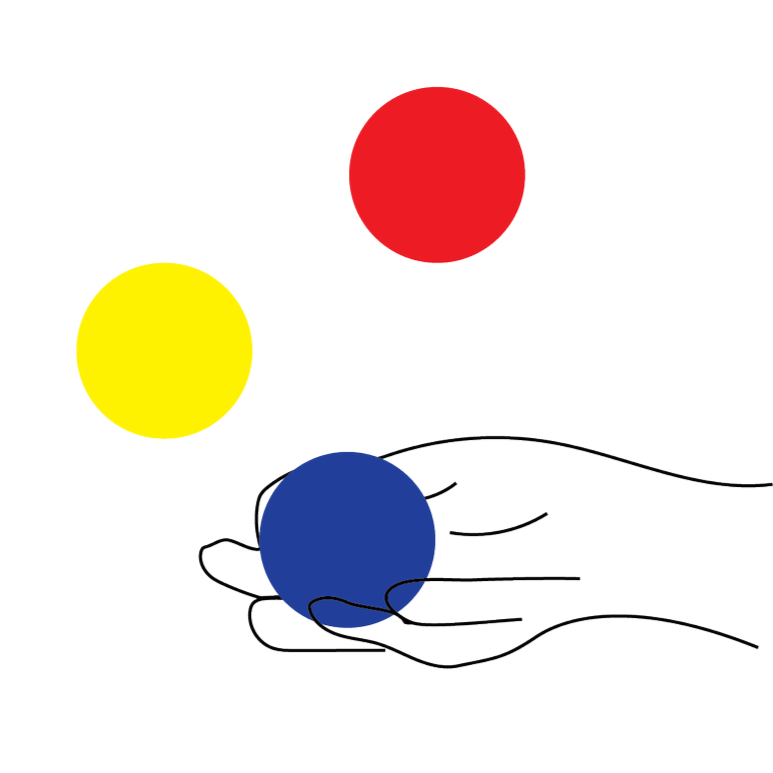
“Learning to Juggle” in an easy, cost-effective, and inclusive manner. I teach juggling and also promote it as a metaphor for learning, improving, and giving insight into other activities and sports.
This workshop will be an engaging, experiential, and transformative event. The task of juggling is broken down into easy, manageable, and simple steps for success. This process of small steps makes the activity inclusive, inspiring, and intriguing, so everyone can find their own way. As we gather in a group, we break down progressive steps into small, achievable goals. We learn to “fail” on purpose as well. These steps are simple and satisfying on their own. To complete the workshop, we jump forward briefly to see the steps of the greater goal: 3-ball juggling, the cascade. Before finishing, we remind ourselves of the stage we are at and continue practicing from there. Learning in a group creates a memorable and motivating experience.
The workshop of “Learning to Juggle” takes only an hour and a half (1.5 hours) with another half hour for further insights, conversation, and discussion (2 hours). The juggling balls and encouragement will be provided, and the workshop can occur anywhere we can stay dry, see, and stand as a group, arm’s length apart. I believe that this learning activity is transformative and transferable, offering insights into many other activities and sports.
The cost of this one-time extravaganza workshop is decided in conjunction with the Community Arts Council or the Recreation Program Planner, with “Sir Drop-a-lot” of “The Juggling Metaphor.” To be inclusive, I suggest promoting to: Parents, Teens (13+), Seniors, groups, and people who say “they can’t!” This workshop is memorable and meaningful. Learning in a group will be engaging, entertaining, and experiential.
Where:
This activity can be done anywhere your group can stand together, preferably in a circle, an arm’s length apart.
Why:
This experience provides people with a lifelong memory and a tangible model they can reflect on. Please consider using this, “The Juggling Metaphor,” to create an inclusive and engaging experience.
When:
You decide!
Who:
Inclusive: everyone and anyone
People, Parents and youth(13+), Adults, Teens(13+), Seniors, groups or teams
ideally 5 to 15+ people
How Long:
A very tight 1-hour, an easy 1 ½ - hour or a comfortably planned 2-hour.
Core thought:
Parsing: analyzing
Scaffolding: Learn to Learn
The key benefit of progressing with juggling is breaking down any new task into small, achievable goals: scaffolding. Juggling continues to reinforce “learning to learn,” which leads to: progressive scaffolding, development, and achievement.
Yours truly, “Sir Drop-A-Lot”, Aladar Reusz